

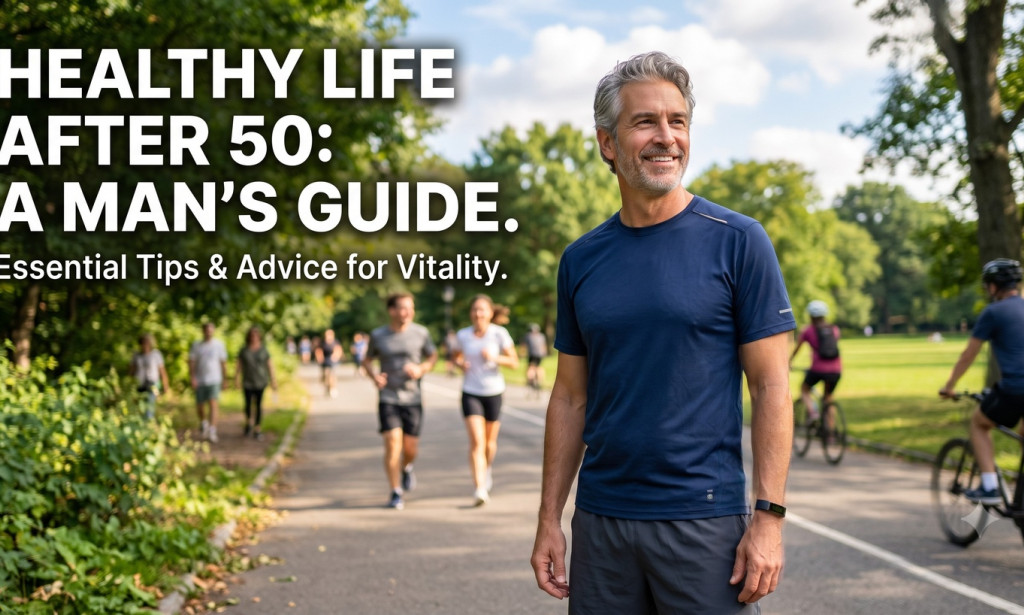

How to Make a Healthy Life After 50 as a Man
Turning 50 is a milestone that tends to sharpen the mind. The birthdays that once felt purely celebratory now come with a quieter undertone: a recognition that the body doesn't recover the way it used to, that energy dips a little earlier in the evening, and that decisions made in the next decade will shape the next thirty or forty years. This is not cause for alarm. It's an invitation. Fifty is not the beginning of decline — for most men, it's the beginning of the most strategic and self-aware phase of life, one where health is no longer assumed but actively built.
This article lays out a comprehensive, practical approach to health after 50: the physical foundations (exercise, nutrition, sleep), the medical realities (screenings, hormones, chronic disease prevention), the psychological and social dimensions (purpose, relationships, mental health), and the daily habits that tie it all together. None of this requires becoming an athlete or a monk. It requires consistency, honesty about where you stand today, and a willingness to treat your body as a long-term asset rather than a machine you only notice when it breaks.
Why 50 Is a Turning Point
Biologically, several things happen around this age that make it a genuine inflection point rather than an arbitrary number on a calendar.
Muscle mass, which peaks in the 30s, begins to decline more noticeably — a process called sarcopenia. Left unaddressed, men can lose 3–8% of muscle mass per decade after 30, with the rate accelerating after 50. This isn't just a cosmetic issue; muscle is metabolically active tissue that helps regulate blood sugar, supports joints, and is directly linked to longevity and functional independence in later life.
Testosterone levels also begin a slow, gradual decline — typically around 1–2% per year starting in the late 30s or 40s. By your 50s, the cumulative effect can be noticeable: lower energy, reduced muscle-building capacity, changes in mood, and shifts in libido. This is a normal part of aging for most men, though for some it becomes significant enough to warrant a conversation with a doctor.
Bone density, cardiovascular efficiency, joint cartilage, and metabolic flexibility (how well your body switches between burning carbs and fat) all begin trending in a direction that rewards proactive management and punishes neglect. At the same time, this is the decade when chronic diseases — heart disease, type 2 diabetes, certain cancers — start showing up in earnest if risk factors have been accumulating unaddressed.
The good news: nearly every one of these processes responds well to intervention. Strength training preserves and can even rebuild muscle at any age. Cardiovascular fitness is remarkably trainable in your 50s, 60s, and beyond. Many chronic disease risks are substantially modifiable through diet, activity, sleep, and stress management. Age 50 is not a wall — it's a decision point.
Physical Fitness: The Non-Negotiable Foundation
Strength Training Becomes Essential, Not Optional
If there is one single intervention with the highest return on investment for a man over 50, it's resistance training. Where a 25-year-old might get away with running and calling it fitness, a 50-year-old man who skips strength work is accelerating muscle loss, bone density decline, and metabolic slowdown simultaneously.
Aim for two to four sessions per week, hitting all major muscle groups: legs, back, chest, shoulders, arms, and core. You don't need a competitive powerlifting program. A well-structured routine using compound movements — squats, deadlifts (or hip hinges), presses, rows, and carries — delivers most of the benefit with manageable joint stress. If you're new to lifting or returning after years away, working with a trainer for the first month or two is worth the investment; form matters more at 50 than it did at 25, because the cost of an injury is higher and the recovery time longer.
Progressive overload — gradually increasing weight, reps, or difficulty over time — remains the driver of results at any age. What changes after 50 is recovery time. Where a younger lifter might handle four heavy sessions a week, many men in their 50s do better with two to three focused sessions and more attention to sleep and protein intake in between.
Cardiovascular Health Through Varied Movement
Aerobic fitness protects the heart, brain, and metabolic system, and it's one of the strongest predictors of longevity across large population studies. The general guideline — at least 150 minutes of moderate-intensity activity per week, or 75 minutes of vigorous activity, or some combination — still applies, but how you get there matters more after 50.
Mixing intensities produces better results than any single mode. Brisk walking, cycling, swimming, and rowing form a solid aerobic base with low joint impact. Layering in occasional higher-intensity intervals — even just 20-30 seconds of hard effort followed by recovery, repeated several times — helps maintain the top end of cardiovascular capacity (VO2 max), which is one of the most powerful predictors of long-term health outcomes in men over 50. VO2 max naturally declines with age, but the rate of decline is significantly slower in men who maintain regular vigorous activity.
Walking deserves special mention because it's the most underrated tool in a 50-plus fitness plan. A daily walk of 30-45 minutes, ideally outdoors, supports cardiovascular health, mood, joint mobility, and even cognitive function, and it carries essentially zero injury risk when done at a reasonable pace.
Mobility and Flexibility
Joint stiffness creeps in gradually, and by the time it's noticeable, it's already limiting how well you move through the other parts of your fitness routine. Spending 10-15 minutes several times a week on mobility work — dynamic stretching, hip and shoulder mobility drills, or a practice like yoga — pays dividends in how your body feels day to day and reduces injury risk during strength and cardio sessions.
This is also the decade where a foam roller, a few resistance bands, and a consistent warm-up routine before workouts move from "nice to have" to genuinely useful. Cold starts into hard exercise are a common way injuries happen after 50.
Balance Training
This sounds premature to many men in their 50s, but balance work is one of the best investments in future quality of life. Balance declines gradually and often silently until a fall reveals how much ground has been lost. Simple practices — single-leg stands, stability ball work, tai chi, or balance-focused yoga poses — build a reserve that pays off enormously in your 70s and 80s, when falls become one of the leading causes of serious injury and loss of independence.
Recovery Is Part of the Program, Not an Afterthought
At 25, you can train hard, sleep four nights of six hours, and mostly get away with it. At 50, recovery becomes as important as the training itself. This means:
- Building in at least one or two full rest days per week
- Prioritizing sleep quality (more on this below)
- Paying attention to nagging pain rather than pushing through it — a tweak ignored at 25 heals; a tweak ignored at 50 can become a chronic issue
- Considering active recovery — light walking, swimming, or stretching — on non-training days rather than complete inactivity
Nutrition After 50: Eating for the Decades Ahead
Protein Becomes the Priority Macronutrient
Because of sarcopenia, protein needs actually increase after 50, even as total calorie needs may decrease slightly due to lower muscle mass and activity levels. Where general guidelines for younger adults hover around 0.8 grams of protein per kilogram of body weight, most research on healthy aging suggests men over 50 benefit from something closer to 1.2 to 1.6 grams per kilogram, especially if strength training regularly.
Spreading protein intake across three or four meals — rather than loading it all into dinner — appears to support muscle protein synthesis more effectively. Good sources include lean meats, poultry, fish, eggs, dairy (especially Greek yogurt and cottage cheese), legumes, and, if desired, protein supplements to fill gaps.
Fiber, Vegetables, and the Anti-Inflammatory Plate
Chronic low-grade inflammation is one of the quiet drivers of age-related disease — heart disease, diabetes, certain cancers, and even cognitive decline are all linked to it. Diet is one of the most powerful levers for managing inflammation.
A plate built around vegetables (aim for variety and color), whole grains, legumes, nuts, seeds, and healthy fats (olive oil, avocado, fatty fish) — broadly resembling a Mediterranean-style eating pattern — has the strongest evidence base for supporting cardiovascular health, cognitive function, and longevity in men over 50. This isn't about strict rules; it's about shifting the ratio of your plate over time so these foods make up the majority of what you eat, most of the time.
Fiber deserves specific attention: most men fall well short of the recommended 30-38 grams per day. Fiber supports digestive health, helps regulate blood sugar and cholesterol, and feeds the gut microbiome, which research increasingly links to everything from immune function to mood.
Managing Sugar, Alcohol, and Ultra-Processed Foods
This is the decade where the cumulative effect of dietary habits becomes visible on lab tests — blood sugar, cholesterol, blood pressure, liver enzymes. Reducing added sugar and refined carbohydrates helps manage weight and blood sugar regulation, both of which become more precarious with age as insulin sensitivity naturally declines.
Alcohol is worth a particularly honest look. Many men carry drinking habits from their 20s and 30s into their 50s without reassessing them, but the body's ability to process alcohol changes with age — tolerance often decreases, sleep disruption from alcohol becomes more pronounced, and the health risks (liver, cardiovascular, cancer) scale with quantity and frequency. This doesn't necessarily mean eliminating alcohol, but it's a good decade for an honest inventory of how much, how often, and why.
Ultra-processed foods — not just sugary snacks, but many packaged and convenience foods engineered for palatability — are consistently linked in research to weight gain, metabolic disease, and inflammation when they make up a large share of the diet. Shifting toward whole and minimally processed foods, even gradually, tends to improve most health markers without requiring calorie counting.
Hydration and Micronutrients
Thirst signaling becomes less reliable with age, so many men in their 50s are mildly, chronically dehydrated without realizing it. Consistent water intake throughout the day supports energy, joint health, digestion, and cognitive function.
A few micronutrients deserve specific attention in this decade:
- Vitamin D — many men are deficient, especially those with limited sun exposure; it supports bone health, immune function, and possibly mood.
- Calcium — bone density becomes more of a concern; dietary sources (dairy, leafy greens, fortified foods) are generally preferable to supplements unless a doctor recommends otherwise.
- Omega-3 fatty acids — supports cardiovascular and cognitive health; found in fatty fish, walnuts, and flaxseed.
- B12 — absorption can decline with age, particularly relevant for men who eat little animal protein.
A conversation with a doctor about bloodwork, rather than guessing at supplements, is the most efficient way to figure out what you actually need.
Sleep: The Most Underrated Health Intervention
Sleep quality often deteriorates after 50 for a combination of reasons: changes in sleep architecture (less deep sleep), increased likelihood of needing to urinate at night, higher rates of sleep apnea (which becomes more common with age and weight gain), and simply more on the mind.
This matters enormously because sleep is when the body repairs muscle tissue, regulates hormones (including testosterone, much of which is released during sleep), consolidates memory, and clears metabolic waste from the brain. Chronic poor sleep is linked to nearly every negative health outcome relevant to this decade: weight gain, cognitive decline, cardiovascular disease, mood disorders, and reduced immune function.
Practical steps that make a real difference:
- Consistent sleep and wake times, even on weekends — this regulates circadian rhythm more powerfully than almost any other single habit.
- Limiting screens for 30-60 minutes before bed, since blue light and mental stimulation both interfere with the natural release of melatonin.
- Keeping the bedroom cool, dark, and quiet — small environmental changes often produce outsized improvements in sleep quality.
- Limiting caffeine after early afternoon and alcohol close to bedtime, since both fragment sleep even if they don't prevent falling asleep.
- Getting evaluated for sleep apnea if you snore heavily, wake up gasping, or feel exhausted despite adequate hours in bed — this is common, underdiagnosed, and highly treatable, and it has significant downstream effects on heart health, weight, and cognitive function if left unaddressed.
Aim for seven to nine hours most nights. This isn't indulgence; it's maintenance for a body doing more repair work than it used to.
Medical Care: Staying Ahead of Problems
One of the defining features of health after 50 is that this is the decade when prevention shifts from theoretical to practical. Many serious conditions are far more treatable — or entirely preventable — when caught early, which makes regular medical engagement one of the highest-leverage things a man can do for his long-term health.
Regular Screenings
Guidelines vary somewhat by country and organization and shift over time, so a conversation with your doctor about your specific risk factors and family history is essential — but broadly, men in their 50s should be discussing:
- Blood pressure checks at least annually, more often if elevated
- Cholesterol and lipid panels to track cardiovascular risk
- Blood sugar / HbA1c testing for diabetes risk, especially with family history or weight concerns
- Colorectal cancer screening — colonoscopy or alternative testing typically starting at 45-50
- Prostate health conversations — discussing PSA testing and individual risk factors with a doctor, since guidelines here involve personal risk-benefit conversations rather than one-size-fits-all recommendations
- Skin checks, especially for men with significant sun exposure history
- Vision and hearing checks, since both often decline gradually enough to go unnoticed
- Dental checkups, since oral health is increasingly linked to cardiovascular and overall health
Building a Relationship with a Doctor
Many men in their 20s, 30s, and even 40s treat doctors as a service for emergencies only. This tends to change — and should change — after 50. Having an ongoing relationship with a primary care physician who knows your history, tracks your bloodwork over time, and can flag subtle changes is one of the most protective things a man can do. Trends matter more than single data points; a doctor who has seen three years of your cholesterol numbers can catch a worrying trajectory long before it becomes a crisis.
Understanding Hormonal Changes
The gradual decline in testosterone that begins in the late 30s or 40s often becomes more noticeable in the 50s: changes in energy, mood, muscle-building capacity, and libido. For some men, this is a mild and manageable part of aging that responds well to exercise, sleep, and stress management. For others, levels drop enough to warrant medical evaluation and discussion of treatment options.
This is worth discussing openly with a doctor rather than assuming it's either nothing or something you have to just accept. Bloodwork can clarify where you actually stand, and there's no need to self-diagnose based on symptoms alone, since fatigue, mood changes, and reduced libido have many possible causes.
Managing Existing Conditions Proactively
If you're already managing a condition — high blood pressure, elevated cholesterol, prediabetes, joint issues — this is the decade where consistent management pays the largest dividends. Small, sustained improvements in these areas compound significantly over the next twenty to thirty years, while neglect compounds in the opposite direction.
Mental and Emotional Health
Physical health dominates most conversations about aging, but the mental and emotional dimensions are equally consequential — and in some ways more overlooked for men specifically, who are statistically less likely to seek support for mental health concerns.
The Realities of Midlife Psychologically
The 50s often bring a distinctive mix of psychological territory: careers reaching a plateau or transition point, children growing up and leaving home, aging parents needing care, and a growing awareness of mortality that wasn't as present in earlier decades. Some men experience this as a genuine period of reassessment — sometimes called a midlife transition — marked by questions about meaning, purpose, and whether the current trajectory of life still fits.
This isn't something to be embarrassed about or to dismiss. Approached honestly, this reassessment can lead to some of the most meaningful changes and clarity of a man's life. Approached with avoidance — burying the questions in overwork, substances, or distraction — it tends to resurface later in less constructive ways.
Building Genuine Social Connection
One of the most consistent findings in longevity research is that strong social relationships are among the most powerful predictors of long, healthy life — comparable in impact to not smoking. Yet men in their 50s are statistically at high risk for social isolation: friendships from earlier decades often fade due to career and family demands, and men are generally less likely than women to actively maintain and build new social ties.
This is worth treating as seriously as diet or exercise. Concretely, this can mean:
- Deliberately maintaining friendships rather than assuming they'll sustain themselves without effort
- Joining groups organized around shared activities — sports leagues, hobby groups, volunteer organizations — which tend to produce more durable friendships than passive socializing
- Being intentional about the marriage or partnership, since relationship satisfaction has significant effects on both mental and physical health outcomes in this decade
- Staying engaged with adult children in ways that respect their independence while maintaining genuine connection
Purpose and Identity Beyond Career
For many men, identity has been substantially built around career and professional achievement. The 50s often bring the first real signals that this won't last forever — whether through career plateaus, industry changes, or simply an awareness that retirement is now a real horizon rather than an abstract future concept.
Cultivating identity and purpose beyond professional role is genuinely protective for mental health, particularly heading into retirement years. This might mean:
- Developing hobbies and interests with genuine depth, not just as filler activities
- Mentoring younger colleagues or people in the community
- Volunteering in ways that connect to personal values
- Exploring creative pursuits that may have been set aside during career-building years
- Considering what a fulfilling "second half" looks like rather than treating retirement as simply the absence of work
Managing Stress
Chronic stress has measurable physical effects — elevated cortisol, disrupted sleep, increased inflammation, higher cardiovascular risk — that compound more significantly after 50 than earlier in life. Building genuine stress-management practices matters:
- Regular physical activity, which is one of the most effective stress-reduction tools available
- Mindfulness or meditation practices, which have solid evidence for reducing stress reactivity
- Time in nature, which has measurable effects on stress hormones and mood
- Adequate recovery time and boundaries around work, especially for men in demanding careers
When to Seek Professional Support
Men are historically less likely to seek therapy or counseling, often due to cultural conditioning around self-reliance. This is worth actively pushing against. A therapist or counselor can be genuinely useful during this decade for processing career transitions, relationship dynamics, aging parents, mortality awareness, or simply maintaining mental clarity — the same way a trainer or doctor helps with physical health. There's no requirement to be in crisis to benefit from this kind of support.
Building Sustainable Daily Habits
None of the above matters much without consistency, and consistency is built through systems and habits rather than motivation alone, since motivation is unreliable by nature.
Start With What's Missing, Not Everything at Once
Trying to overhaul diet, exercise, sleep, and social life simultaneously tends to fail. A more effective approach: assess honestly which area is weakest right now, and focus there first. If sleep is a mess, fix that before adding an intense new workout program. If you haven't done any resistance training, start there before overhauling your diet completely. Sequential, sustained changes beat simultaneous overhauls that collapse after a few weeks.
Design the Environment, Not Just the Willpower
Reducing reliance on willpower by adjusting the environment produces more durable change. This might mean keeping workout clothes visible and ready the night before, keeping the kitchen stocked with the foods you actually want to eat more of, scheduling workouts on the calendar like unmissable meetings, or finding a workout partner who creates accountability.
Track What Matters, Loosely
Some form of tracking — a simple log of workouts, sleep, or weight — helps maintain awareness without needing to become obsessive. The goal isn't perfect data; it's enough visibility to notice trends before they become problems and to notice progress that might otherwise go unrecognized.
Expect and Plan for Setbacks
Illness, travel, work crunches, and family obligations will disrupt routines. The men who maintain health long-term aren't the ones who never get derailed — they're the ones who get back to their habits quickly after a disruption rather than treating one missed week as a reason to abandon the whole effort.
A Sample Weekly Framework
To make this concrete, here's a realistic weekly structure a man in his 50s might use as a starting template, adjustable to individual circumstances and fitness levels:
- Monday — Strength training (full body or upper body focus), 45-60 minutes
- Tuesday — Moderate cardio (walk, bike, swim), 30-40 minutes, plus mobility work
- Wednesday — Strength training (lower body or full body focus), 45-60 minutes
- Thursday — Rest or light active recovery (easy walk, stretching)
- Friday — Strength training or a mixed session combining resistance and cardio intervals
- Saturday — Longer cardio session or an active hobby (hiking, cycling, sports), plus social time
- Sunday — Rest, meal preparation for the week, reflection or planning time
Layered on top of this: consistent sleep and wake times every day, protein at each meal, a plate weighted toward vegetables and whole foods most of the time, deliberate social contact at least a few times a week, and regular check-ins with a doctor on the screening schedule appropriate to individual risk factors.
The Long View
Perhaps the most important mental shift for a man approaching or past 50 is this: health is no longer something that happens automatically in the background of a busy life. It becomes something actively managed, the way a career or a financial portfolio is managed — with attention, periodic reassessment, and a willingness to adjust course.
This doesn't mean obsessing over every metric or treating aging as an enemy to be defeated. It means recognizing that the choices made in this decade — how consistently you move your body, how you eat, how you sleep, how honestly you engage with medical care, how deliberately you build relationships and purpose — compound over the next thirty or forty years in ways that are largely within your control.
Men who approach their 50s, 60s, and 70s with strength, mobility, sharp cognitive function, and rich relationships aren't simply lucky. In the overwhelming majority of cases, they built that outcome through sustained, unglamorous daily choices made over years. The physical decline associated with aging is real, but a substantial portion of what people attribute to "getting old" is actually attributable to decades of accumulated inactivity, poor nutrition, insufficient sleep, and social isolation — all of which respond to intervention, even when started at 50 or well beyond.
The task ahead isn't to recreate the body or lifestyle of your 20s. It's to build the strongest, healthiest, most connected version of the life you're actually living now — one that supports not just adding years to your life, but adding life to those years. Fifty is not an ending point. For the men who treat it as a starting line, it's often the beginning of the best-managed, most intentional decades of their lives.

You must be logged in to post a comment.